Messages From Beyond the Grave? Kill/Switch and Crime in the Age of Social Media
After a murder, a victim's phone should fall silent. But what if messages keep arriving, new posts appear online and family members are reassured that everything is fine? The eight-part series Kill/Switch follows killers who take over their victims' digital identities after murdering them, creating the illusion that they are still alive. Here, the internet becomes more than a means of communication: it is a tool for manipulation, delaying investigations and constructing a false version of events.
Premiere: Monday, November 16 at 21:00 CET on Viasat True Crime. New episodes air Monday to Friday at 21:00 CET.
The Internet Makes Life Easier. It Can Also Help Conceal a Crime
The internet makes everyday communication easier, allowing us to stay in touch with loved ones, share photographs and let others know where we are and what we are doing. But that same digital presence can be turned against us.
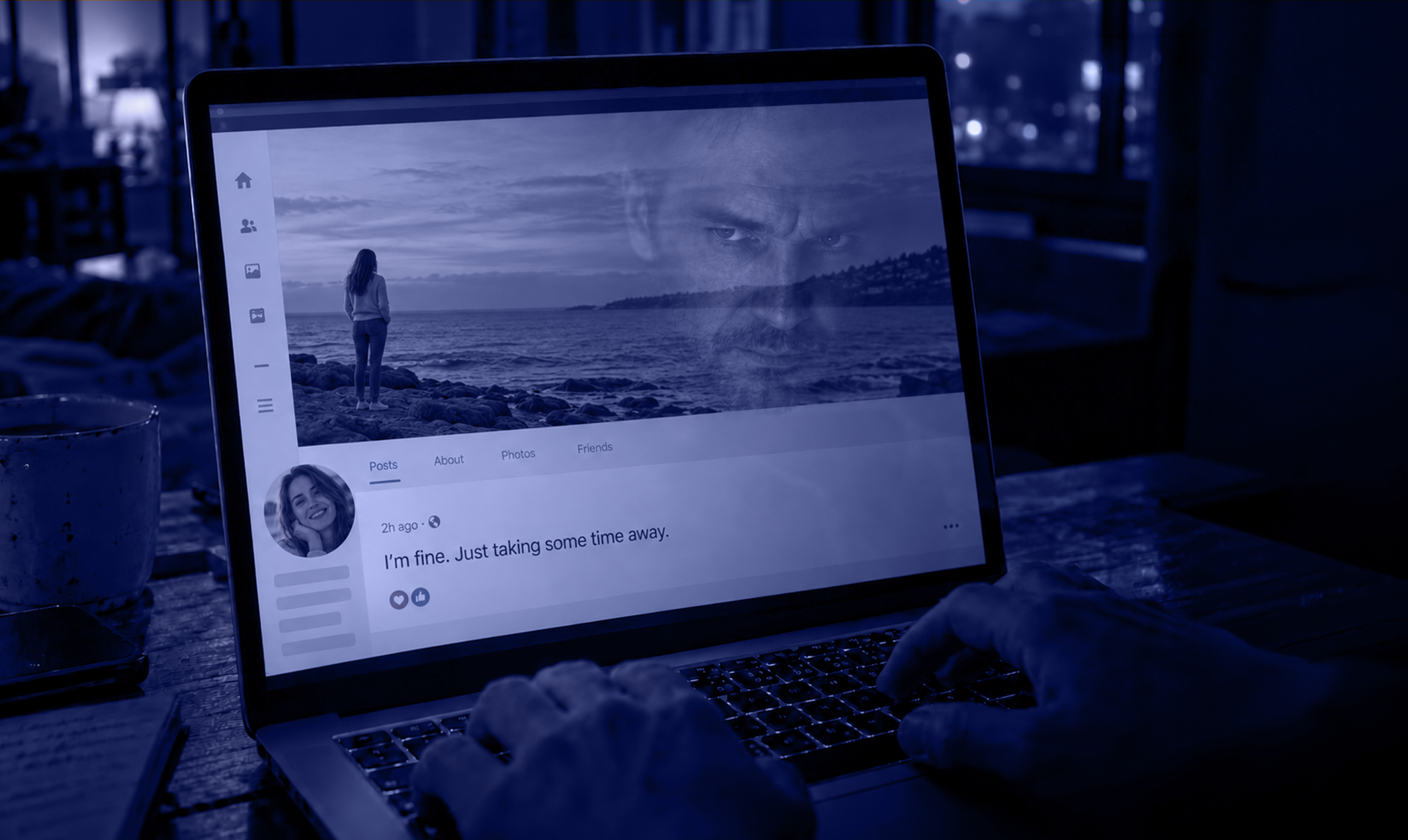
If a killer knows the password to a victim's phone or online accounts, they can attempt to take over that person's digital identity: replying to relatives, sending messages, publishing posts or creating the impression that the missing person is alive and simply does not want to be contacted.
In an investigation, time matters. A single false message can reassure worried relatives, delay a missing-person report and send attention in the wrong direction. It becomes an extension of control over the victim even after death, this time through their phone, accounts and online presence.
When "Everything Is Fine" Becomes the First Warning Sign
In one episode, Jasmine Pace stops responding to her family, yet messages continue to come from her phone and unusual posts appear on social media. Her relatives do not believe the digital version of events. A trail from her phone leads them to Jason Chen's apartment, where a missing-person case turns into a murder investigation.
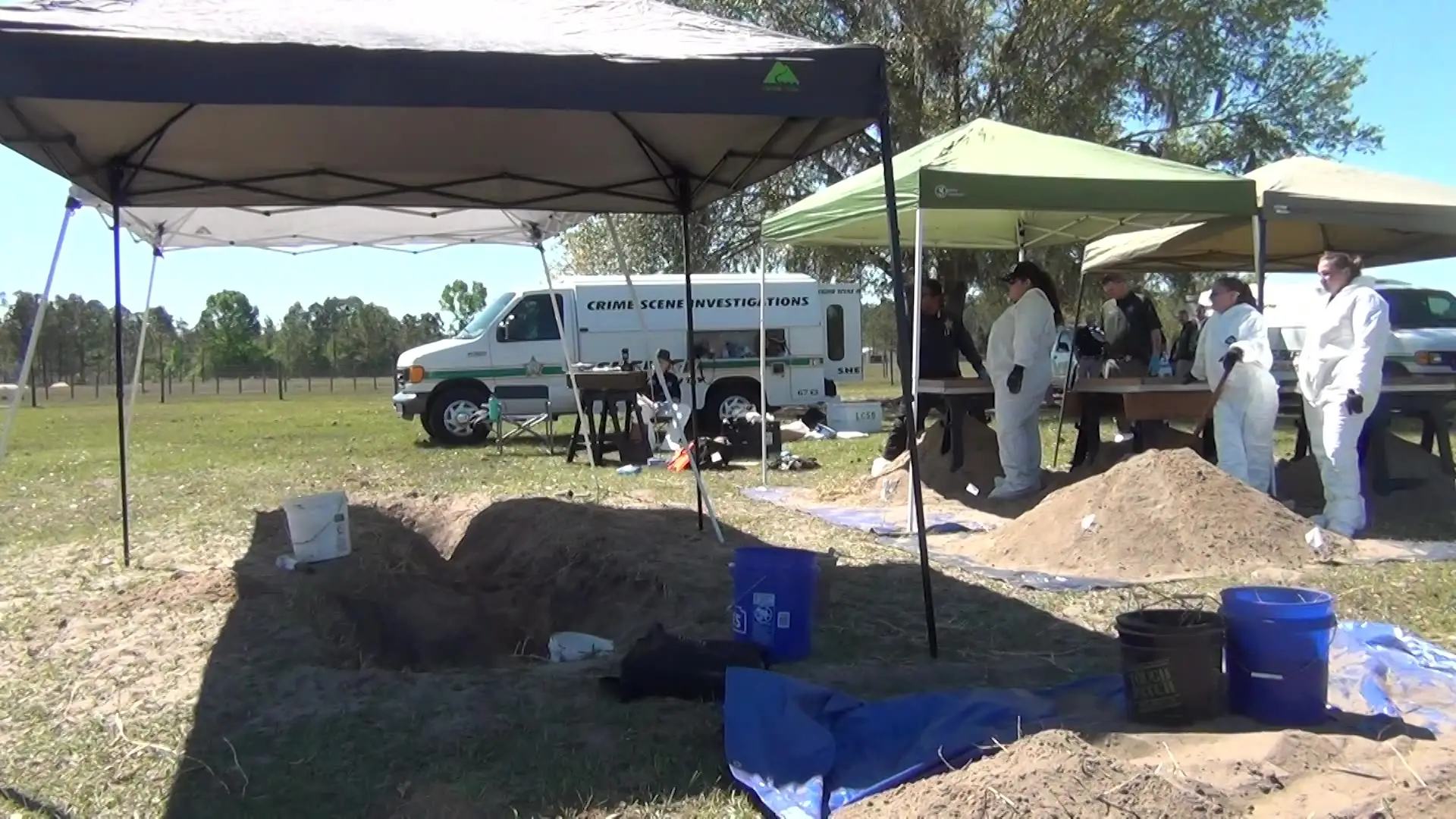
The deception surrounding Michael Shaver lasted even longer. For years, his wife Laurie replied to messages in his name and posted on Facebook, convincing people that he had left and wanted to be alone. In reality, his body was buried on the family property.
Eight Cases, Eight Different Masks
Kill/Switch also examines the case of Joleen Cummings and Kimberly Kessler, a woman who used numerous false identities; the murders of the Ivancic family, where the killer impersonated his murdered wife in messages for months; and the disappearance of Gretchen Anthony, concealed behind texts claiming she had been hospitalised with COVID-19.
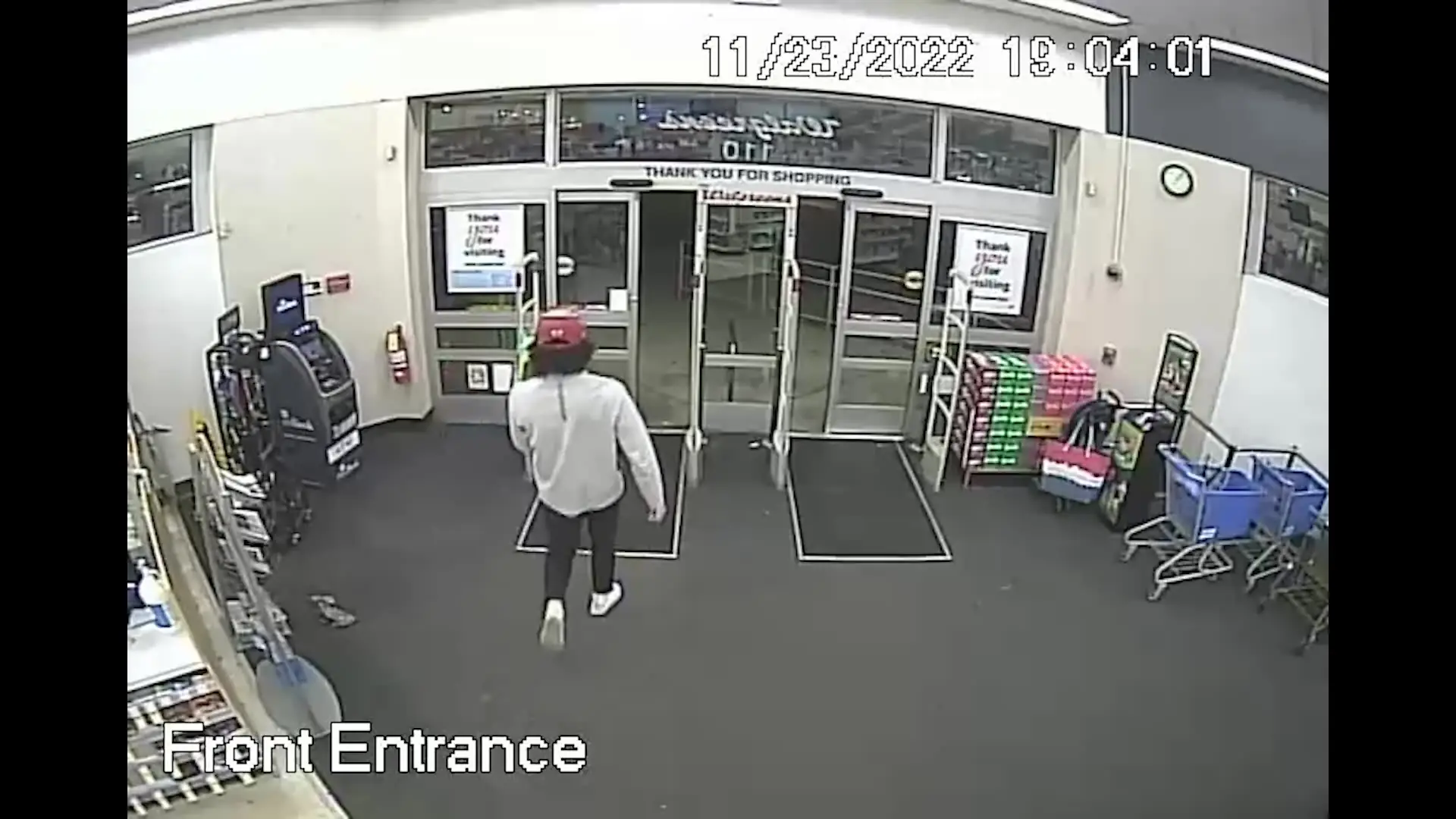
Other cases involve catfishing, forged documents, interrogation footage, police body cameras and CCTV. Viewers will also learn about Taylor Wright and lottery winner Abraham Shakespeare, whose disappearance was hidden behind an expanding web of lies.
Why Watch Kill/Switch?
Because the series explores a distinctly modern form of deception: the killer does not simply try to hide a body, but also attempts to take control of the victim's story. The internet can keep a lie alive for weeks, months or even years. But it also leaves traces.
Unusual writing styles, phone data, CCTV, login records and the behaviour of suspects eventually begin to break the illusion.
Kill/Switch reveals a disturbing truth about the digital world: an account can remain active long after its owner is dead. The only question is: who is really on the other side of the screen?